




















The UAE News Report
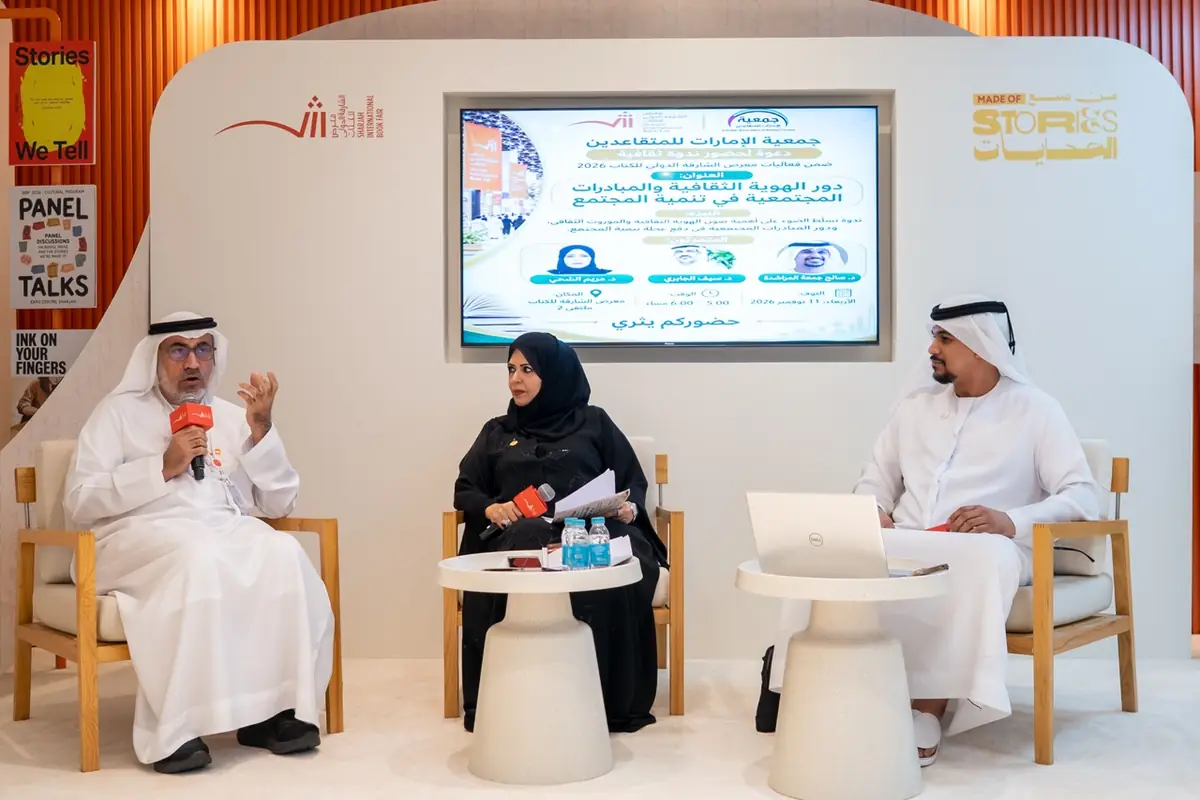
Sharjah: Protecting the Arabic language, maintaining communication between generations and drawing on the experience of retirees are important to preserving Emirati cultural identity as digital technologies reshape everyday life, speakers at the 45th Sharjah International Book Fair (SIBF 2026) said.
The discussion, titled Cultural Identity in the Age of Digital Globalisation, examined how communities can retain their cultural values and traditions while engaging with an increasingly interconnected world. The panel brought together Dr. Saleh Al-Marashdeh and Dr. Saif Al Jabri, an academic, Islamic thinker, family counsellor and author.
Arabic language and inherited values
Al-Marashdeh described cultural identity as a shared collection of religious beliefs, values, language, customs, symbols and collective memory. These elements, he said, are passed down through families and communities and help people maintain a sense of belonging.
“We have our Islamic faith, our values and customs inherited from our parents, and our Arabic language. As long as we hold on to these three, we preserve the foundations of our cultural identity,” he said.
He highlighted the place of Arabic in that cultural framework and pointed to the Sharjah International Book Fair’s contribution to promoting the language and the written word. His comments connected the preservation of heritage with the continued use of language in learning and cultural life.
Al-Marashdeh also raised concerns about the influence of algorithms and advances in artificial intelligence, including questions about intellectual property. The discussion presented these developments as challenges for communities seeking to maintain their identity while adapting to technological change.
Bridging the generational divide
The panel also addressed how values and traditions are transferred from older generations to younger people. Al-Marashdeh warned that a breakdown in communication between age groups could weaken the passing on of cultural knowledge.
“The wider the gap between the younger generation and the generation before it, the greater the risk of losing our values, customs and traditions if communication between them breaks down,” he said.
He stressed the value of retirees’ experience and expertise, arguing that older members of society can play an important role in teaching younger generations about customs and community values. His remarks highlighted the importance of direct conversations alongside books and other records of heritage.
Community organisations and social trust
Al Jabri focused on the role of community organisations and social initiatives in preserving Emirati culture. Referring to his work on public-benefit associations and their support for government efforts, he said participation by citizens and institutions helped sustain the country’s traditions.
“Society is the central pillar. Today, these initiatives focus on the essence of Emirati culture and how to preserve it,” he said.
He described cooperation between citizens, businesses and government as a feature of the UAE’s social structure. To illustrate his point, he referred to humanitarian relief efforts and how established relationships could help mobilise emergency supplies.
“We operate on trust. As citizens, we deal with one another on the basis of trust,” he said, linking that trust to the ability to respond rapidly when assistance is needed.
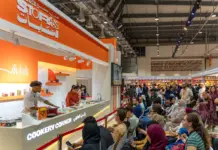
Organised by the Sharjah Book Authority, the 45th Sharjah International Book Fair runs from 4 to 15 November 2026 at Expo Centre Sharjah under the theme Made of Stories. The Sultanate of Oman is the Guest of Honour.
According to the organisers, the event brings together 3,212 publishers and exhibitors from 126 countries, with more than 1.7 million titles on display. Its programme includes 1,500 cultural, creative and artistic events involving 106 guests from 25 countries.